How Penn State uses Visual BACnet Site Monitoring to reduce and maintain network traffic

How PSU uses Visual BACnet across their campuses

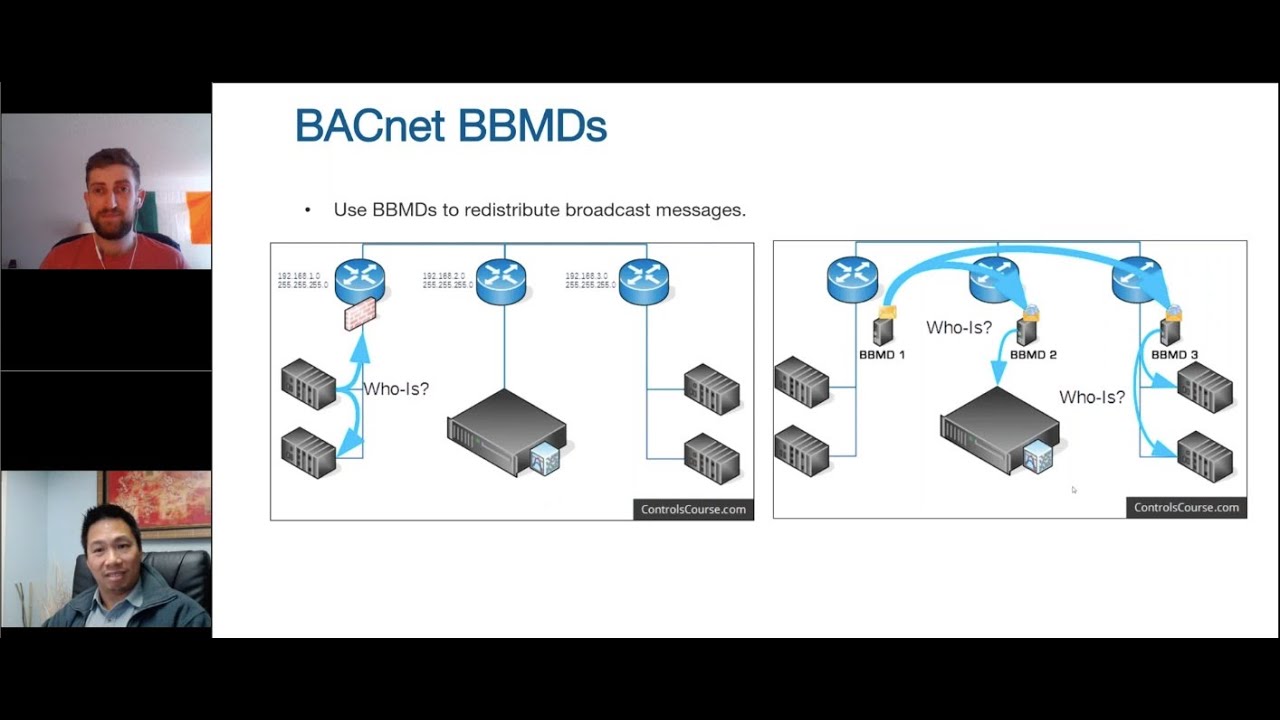
Four years ago, Penn State was at 90,000 packets per hour of broadcast traffic. At least a dozen different buildings were randomly dropping offline. The network team was on the phone almost every single night because something was down, something wasn’t communicating, or something had to be reset. They needed a powerful tool to drastically reduce and maintain network traffic. But they tried just about every program out there, and the programs were clunky, inflexible, and cost tens of thousands of dollars every year just to licence.

Hear how Tom Walker and his team at PSU have found the perfect solution for their network, with Visual BACnet Site Monitoring. You’ll learn:

  • What Penn State did to reduce their network traffic and make it healthy

  • How they use Visual BACnet across their campuses

  • And how the team at Penn State plans to continue lowering network traffic with Visual BACnet

Date and time: Wednesday July 11th at 11 a.m. PDT / 2 p.m. EDT
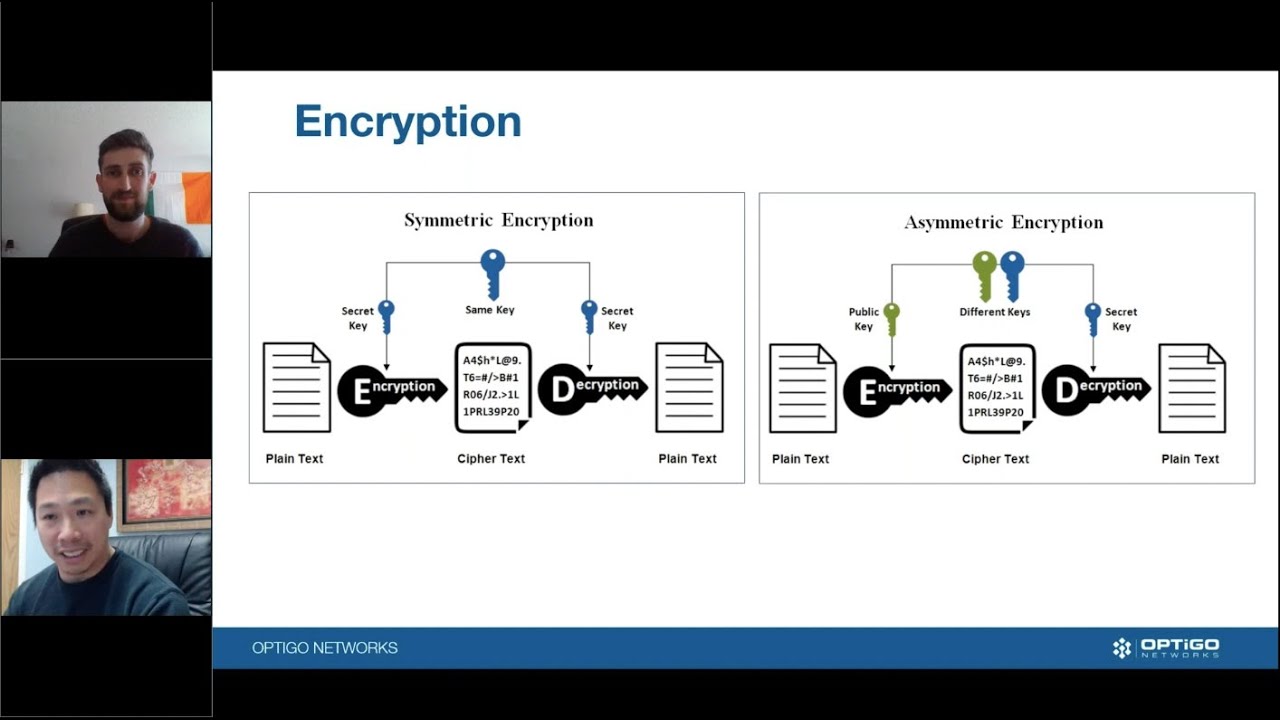
There are many protocols that make up the application layer of an IP network. Learn about some protocols you may have heard about, the roles they play on the application layer, and the importance of encryption.

Understand the Transmission Control Protocol (TCP) and User Datagram Protocol (UDP), and how they facilitate the sending and receiving of messages over IP networks.

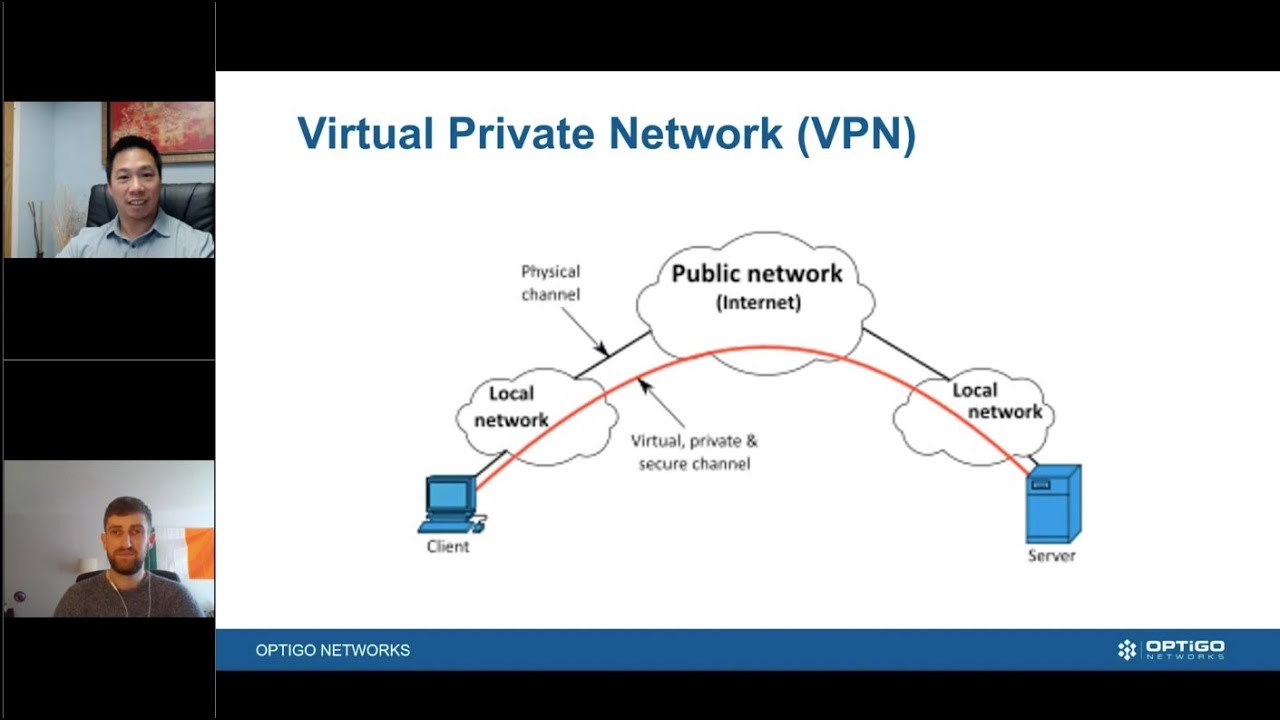
A Virtual Private Network could be described as a “secure, encrypted tunnel,” and it’s a big topic these days as more folks work from home. Find out what a VPN is, and how it works.

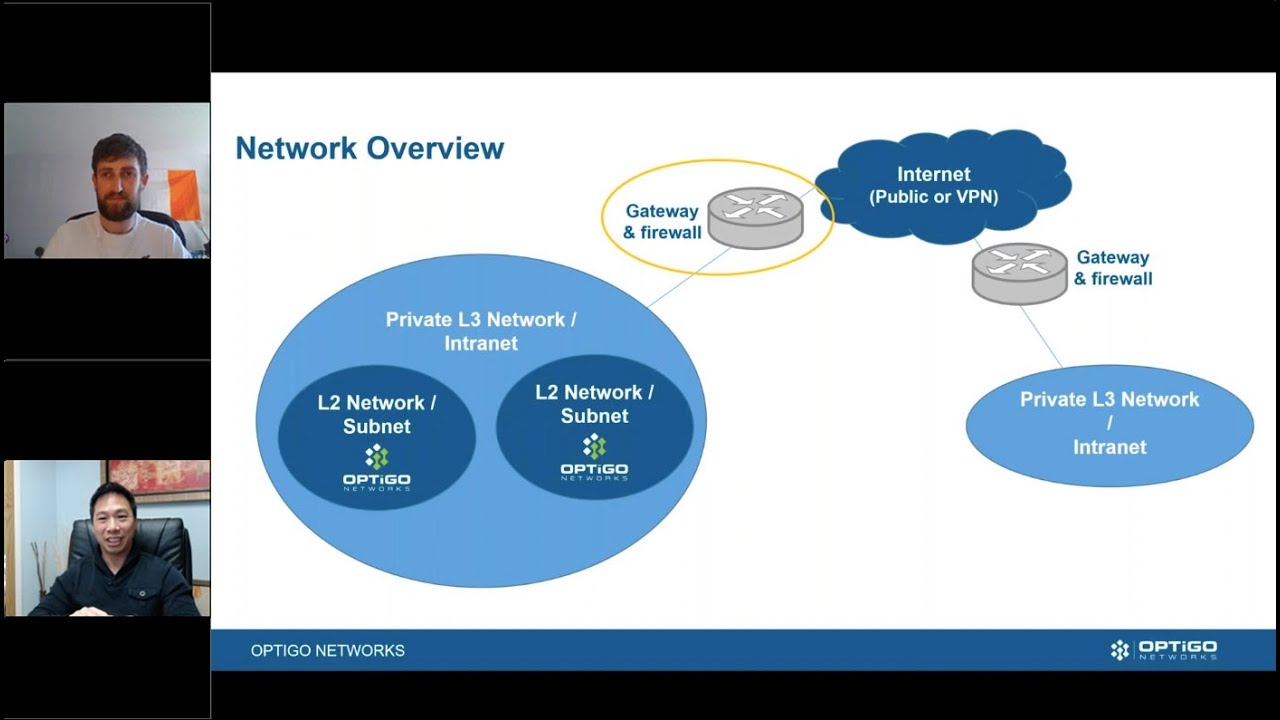
Gateways and firewalls are how we route packets through the network, and permit and block traffic based on certain rules. Learn how gateways and firewalls work to manage traffic connections in the network. 

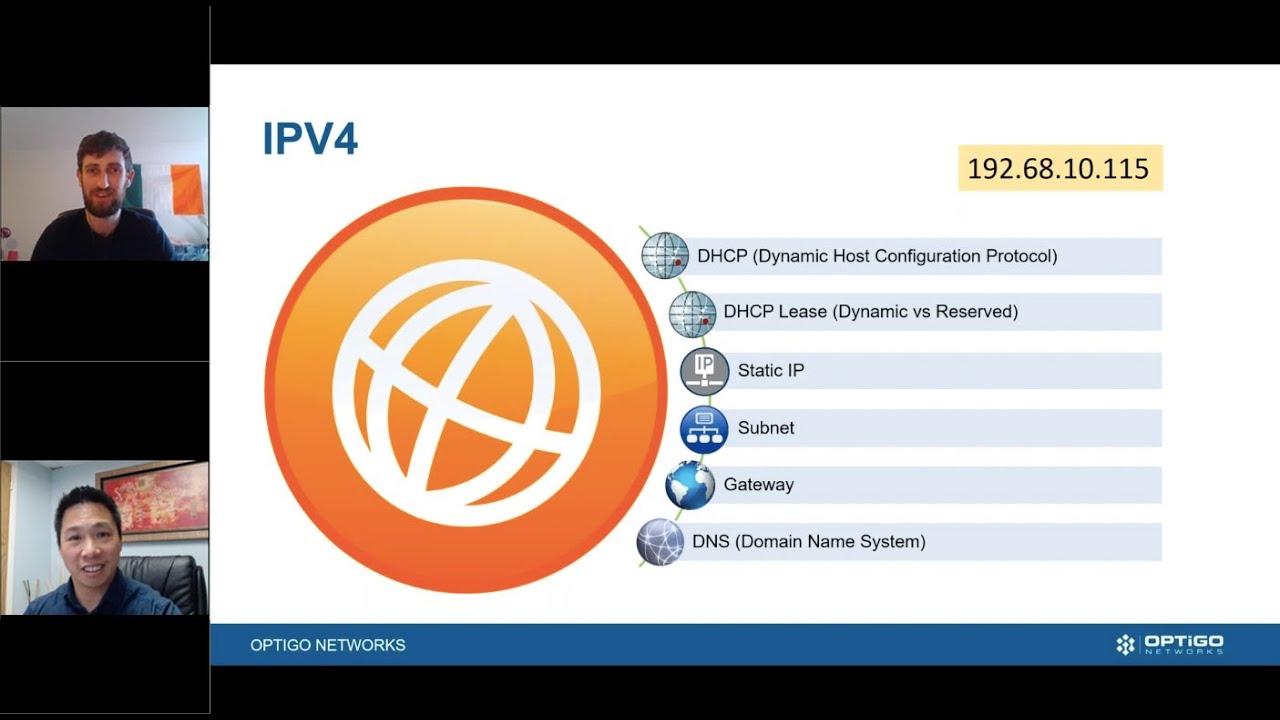
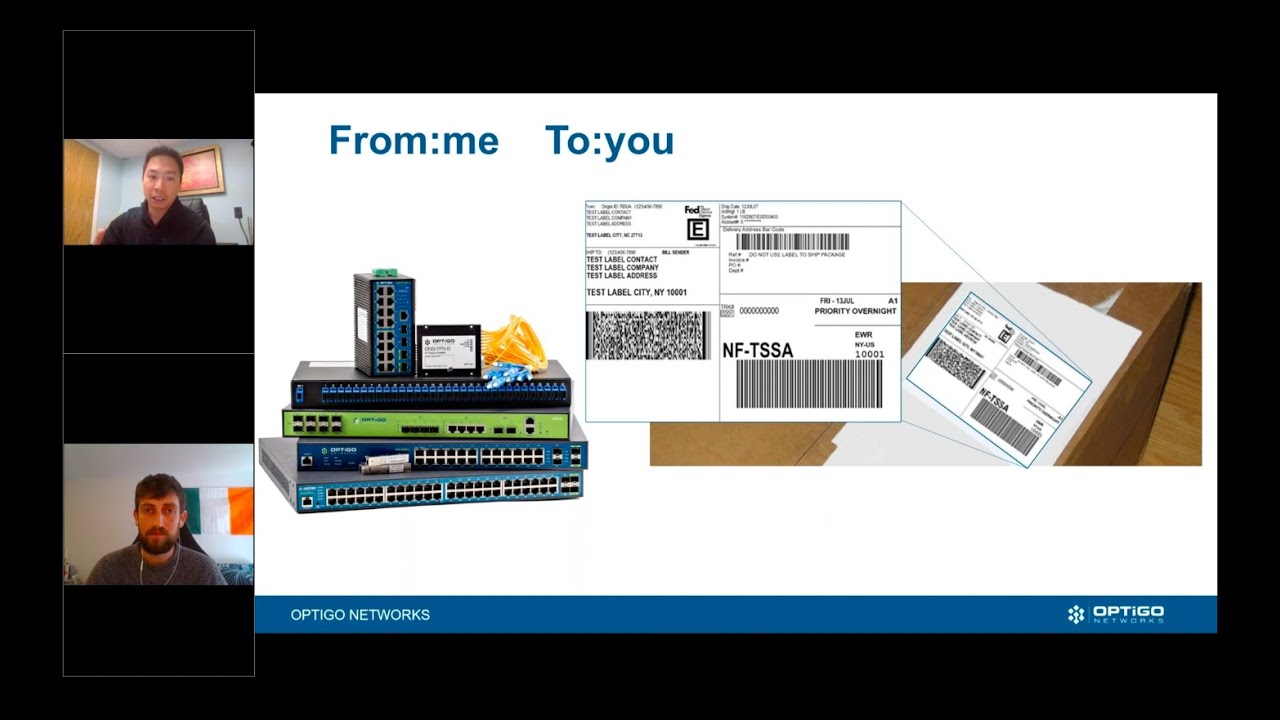
What is an IP address? How does Dynamic Host Configuration Protocol (DHCP) work? And what’s the purpose of a static IP address? We’ll cover all of this as we venture into the world of the Internet.

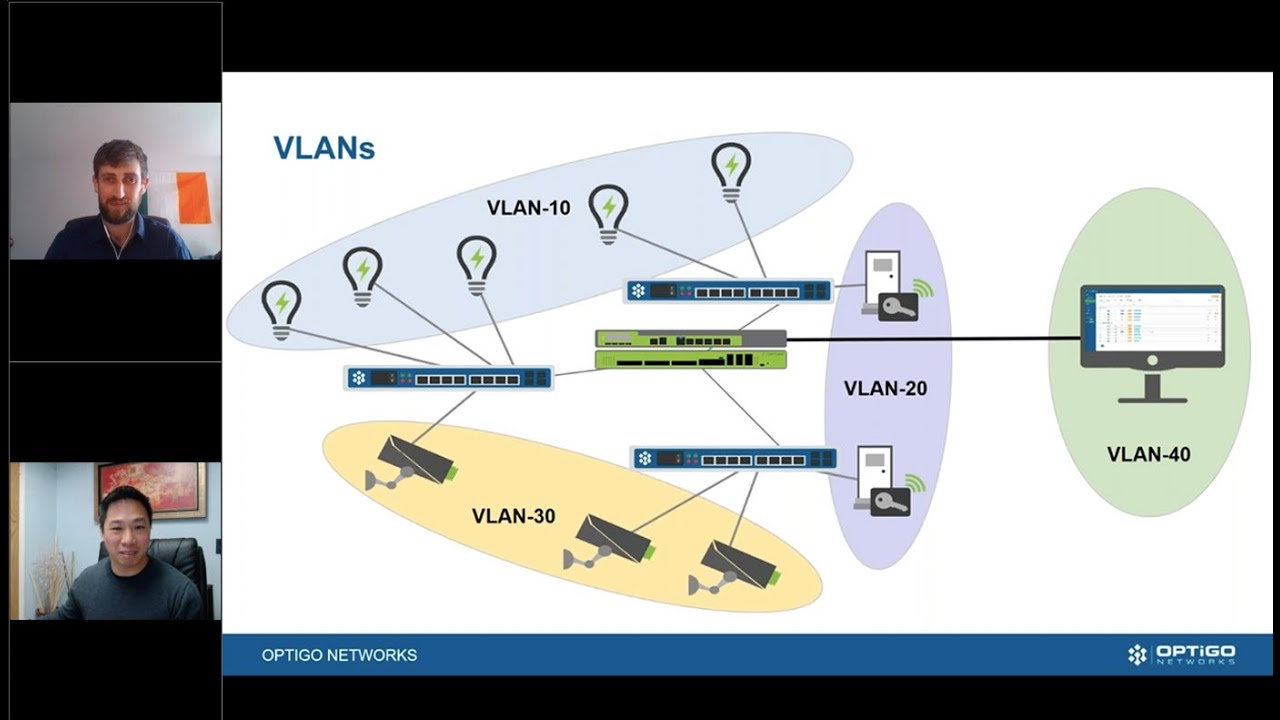
Learn the differences between Virtual Local Access Networks (VLANs) and subnets, and their roles within a network.

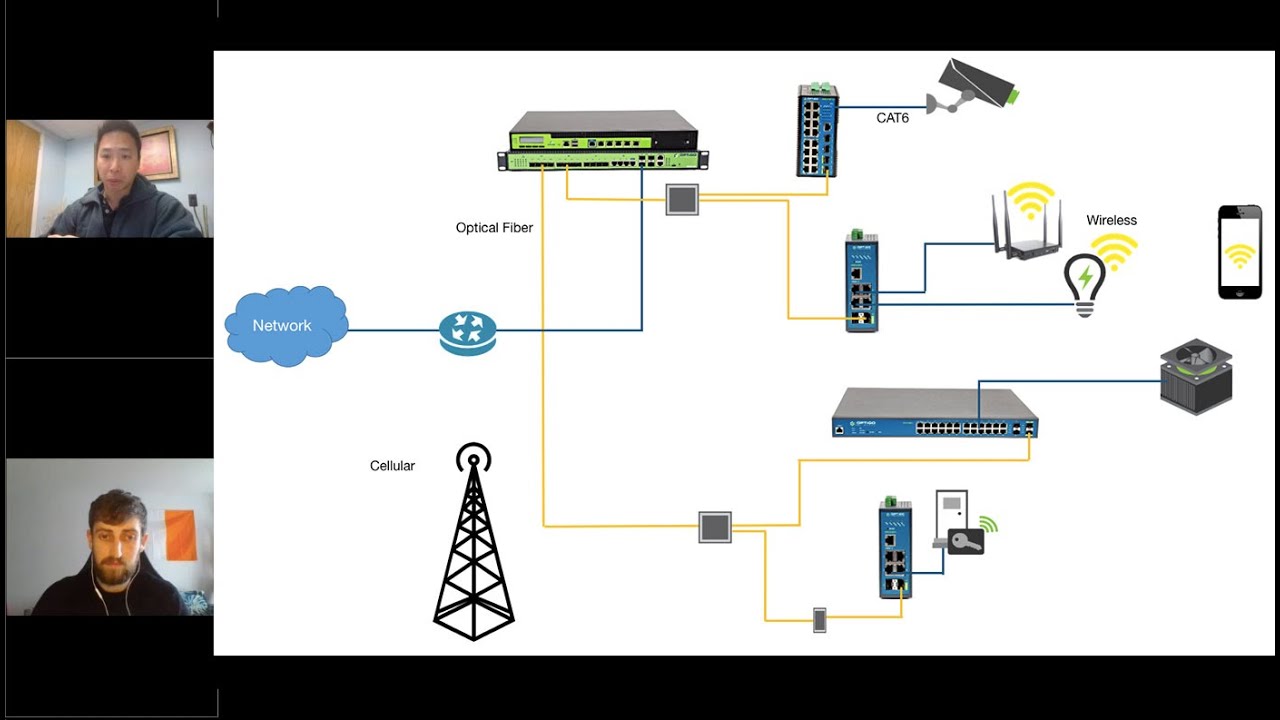
Learn about different modes of network access, including Ethernet, Wi-Fi, hotspots, and clients. We’ll explore the pros and cons of each, and their different applications and uses.

Learn about the network layers and their roles. We’ll cover the differences between the OSI and TCP/IP Model, and how these layers form the basic network architecture.

Information Technology (IT) and Operational Technology (OT) are different in a lot of ways, from their design to their maintenance workflows and more.