Introduction to IT networking

The basics of IT networking, for OT professionals

Do you struggle to communicate with your IT colleagues? Do they use concepts and language that go right over your head? We’ve got an introduction to networking that will get you caught up on the essentials of IT speak.

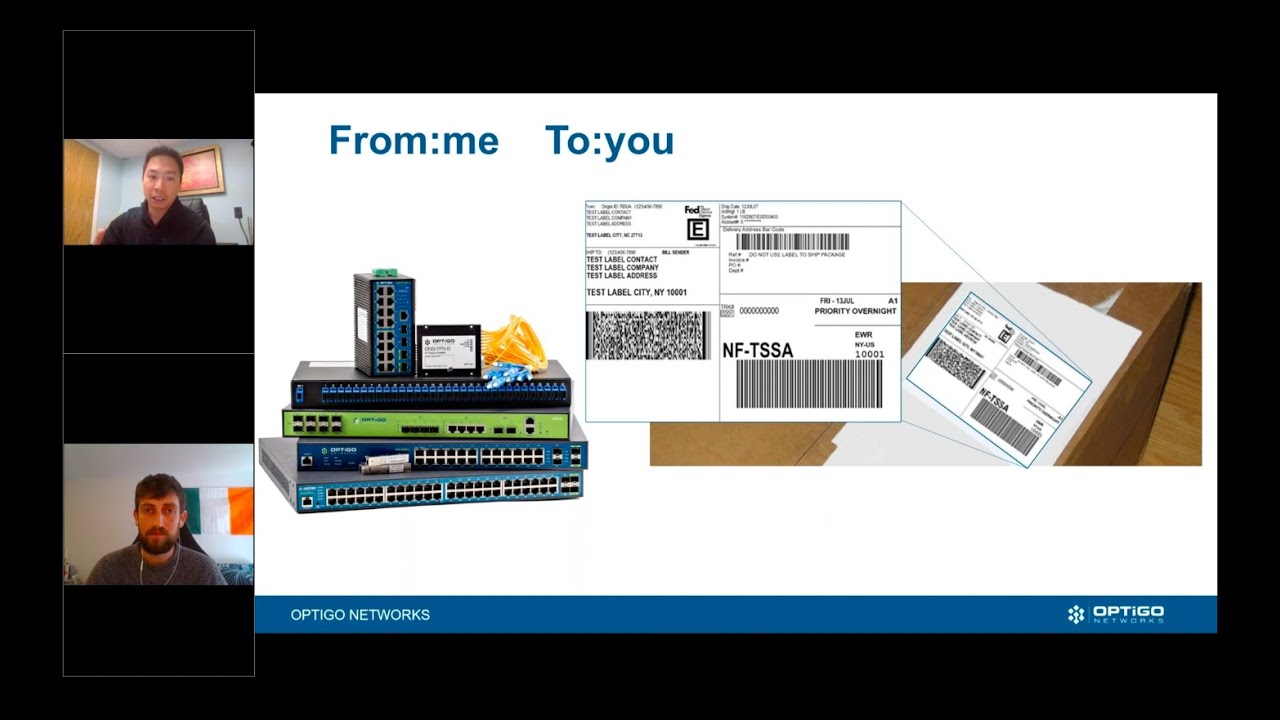
Register for our webinar to find out about key terms, and learn why networking is similar to the postal system. Hosts Robert Lastinger from Distech Controls and Dave Cousins from Optigo Networks will cover the basics of networking and explain concepts you should know. At the end of this session, you will be able to work better and closer with your IT colleagues.
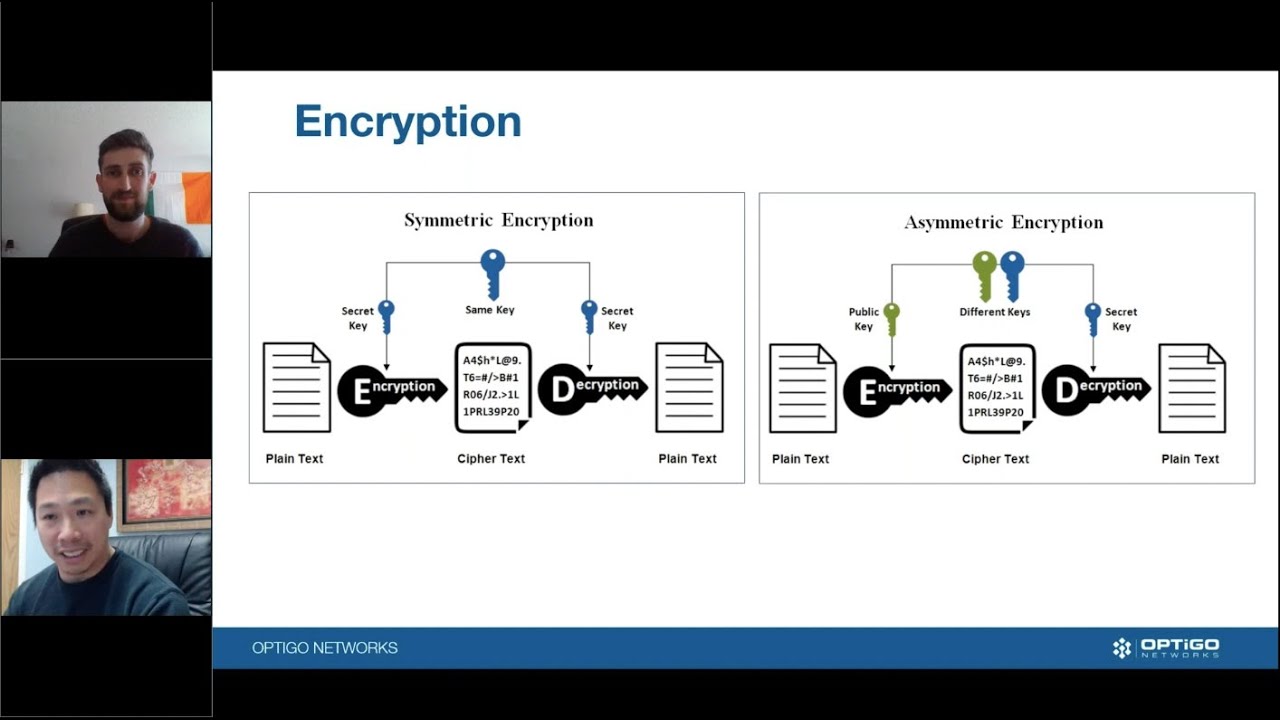
There are many protocols that make up the application layer of an IP network. Learn about some protocols you may have heard about, the roles they play on the application layer, and the importance of encryption.

Understand the Transmission Control Protocol (TCP) and User Datagram Protocol (UDP), and how they facilitate the sending and receiving of messages over IP networks.

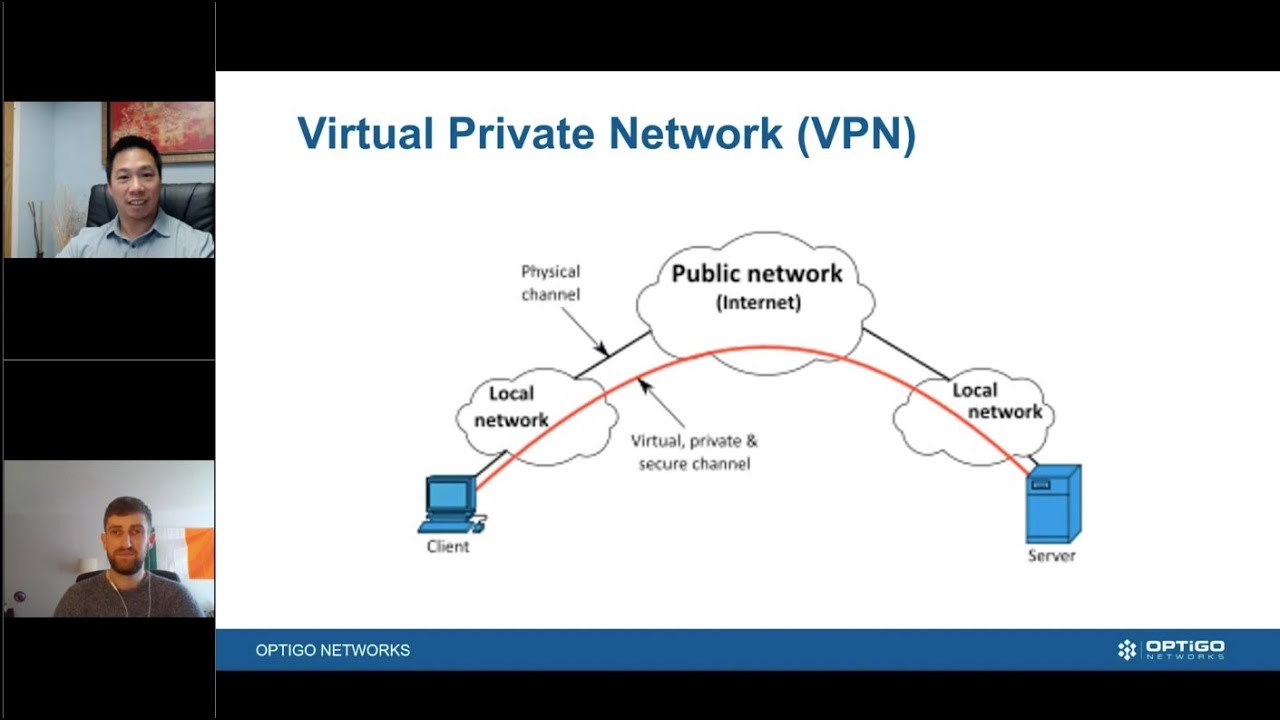
A Virtual Private Network could be described as a “secure, encrypted tunnel,” and it’s a big topic these days as more folks work from home. Find out what a VPN is, and how it works.

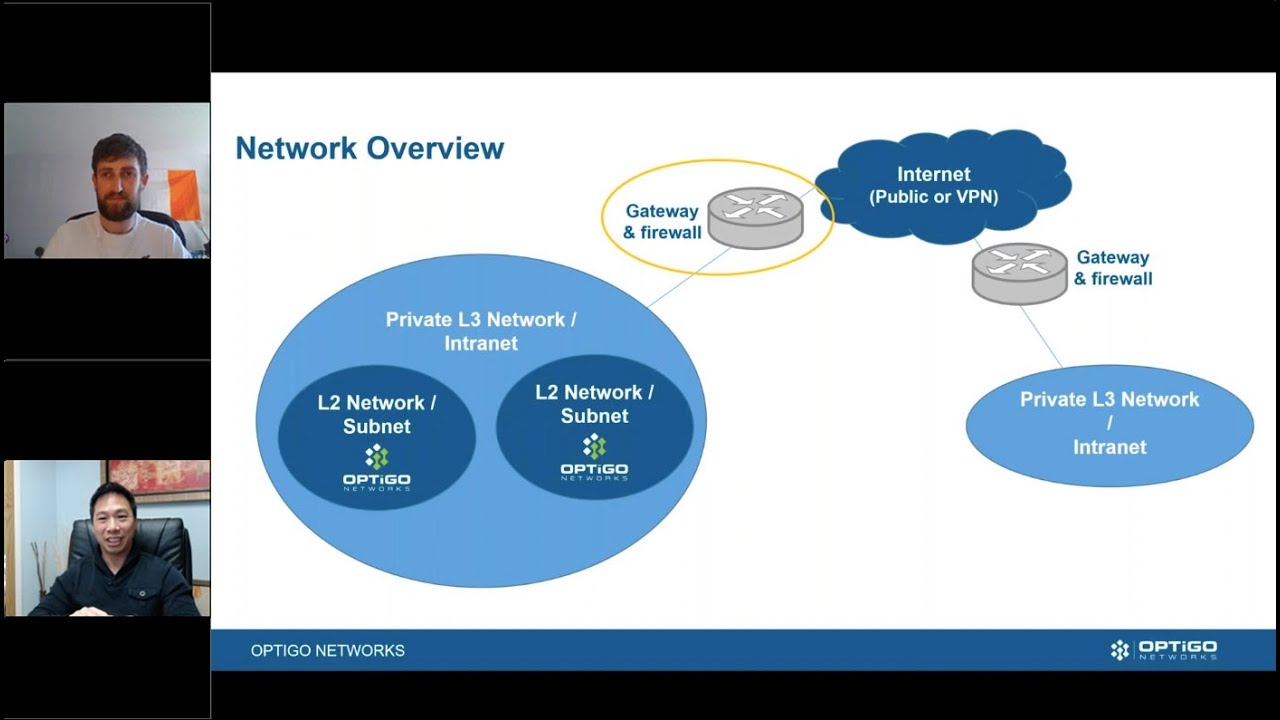
Gateways and firewalls are how we route packets through the network, and permit and block traffic based on certain rules. Learn how gateways and firewalls work to manage traffic connections in the network. 

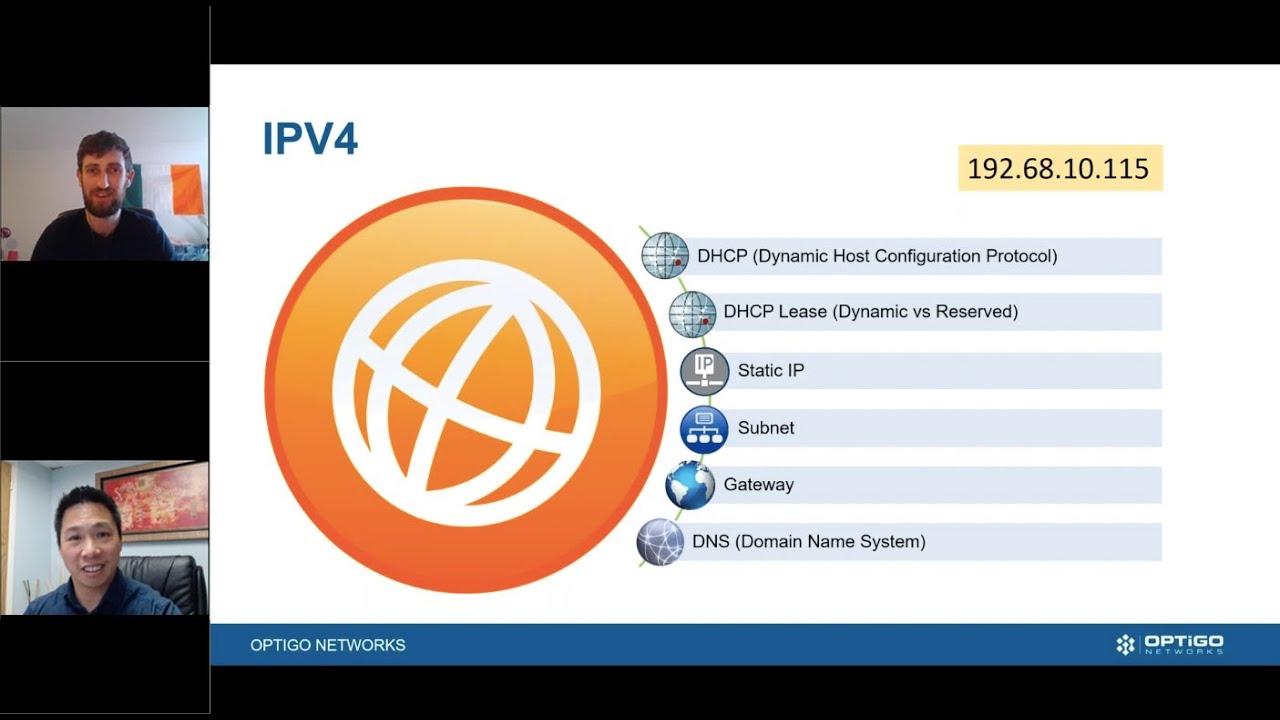
What is an IP address? How does Dynamic Host Configuration Protocol (DHCP) work? And what’s the purpose of a static IP address? We’ll cover all of this as we venture into the world of the Internet.

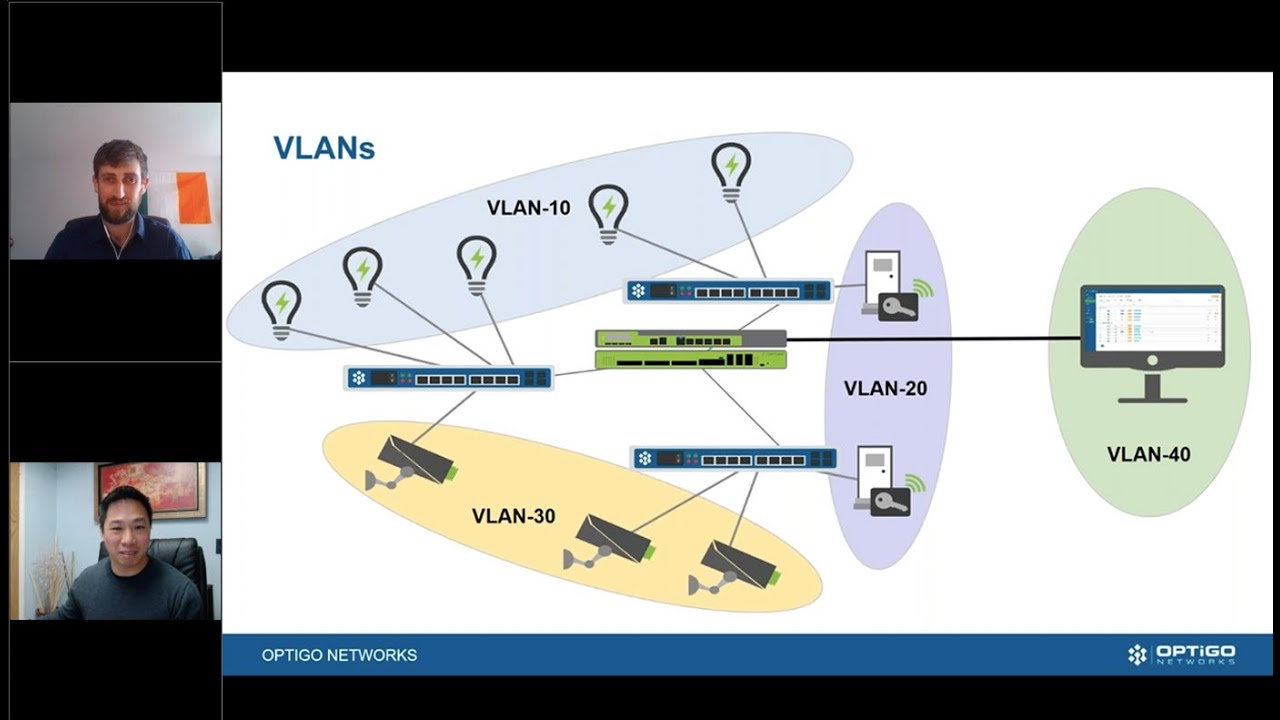
Learn the differences between Virtual Local Access Networks (VLANs) and subnets, and their roles within a network.

Learn about different modes of network access, including Ethernet, Wi-Fi, hotspots, and clients. We’ll explore the pros and cons of each, and their different applications and uses.

Learn about the network layers and their roles. We’ll cover the differences between the OSI and TCP/IP Model, and how these layers form the basic network architecture.

Information Technology (IT) and Operational Technology (OT) are different in a lot of ways, from their design to their maintenance workflows and more.