SEPARATE OPERATIONAL TECHNOLOGY NETWORKS

THE FUTURE OF SMART BUILDINGS

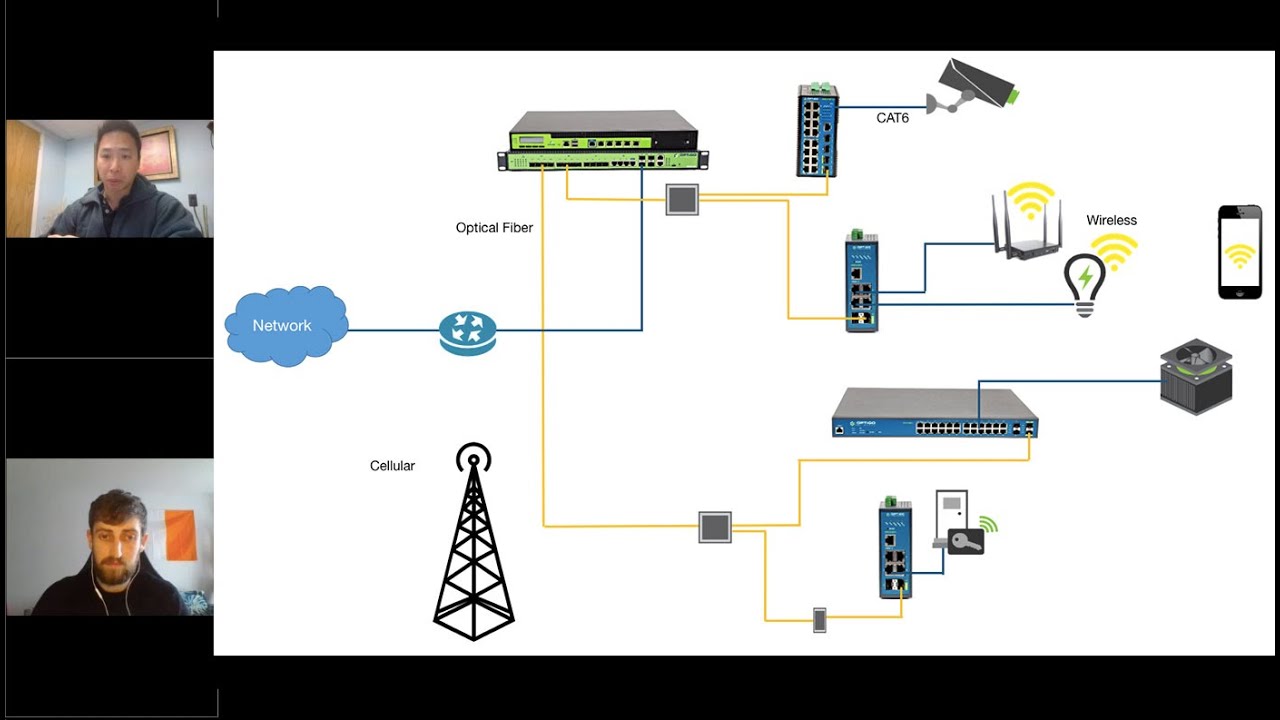
Operational technology (OT) — including HVAC, lighting, and security — is regularly managed by IT departments alongside computers and phones. This is referred to as convergence, and it’s been seen as the simpler, cheaper approach to building management. As more OT devices are installed in buildings though, it’s become harder for IT departments to manage and secure these devices. With OT devices left unsecure and connected to the IT network, hackers can target HVAC, lighting, and the like to reach IT devices and their data.

Join our webinar on April 26 at 11 a.m. PST, where we’ll talk about the necessity of OT networks. Optigo Connect, now widely available in North America through a primary distributor partnership with Controlco, can connect thousands of devices on a property for a fraction of the infrastructure.
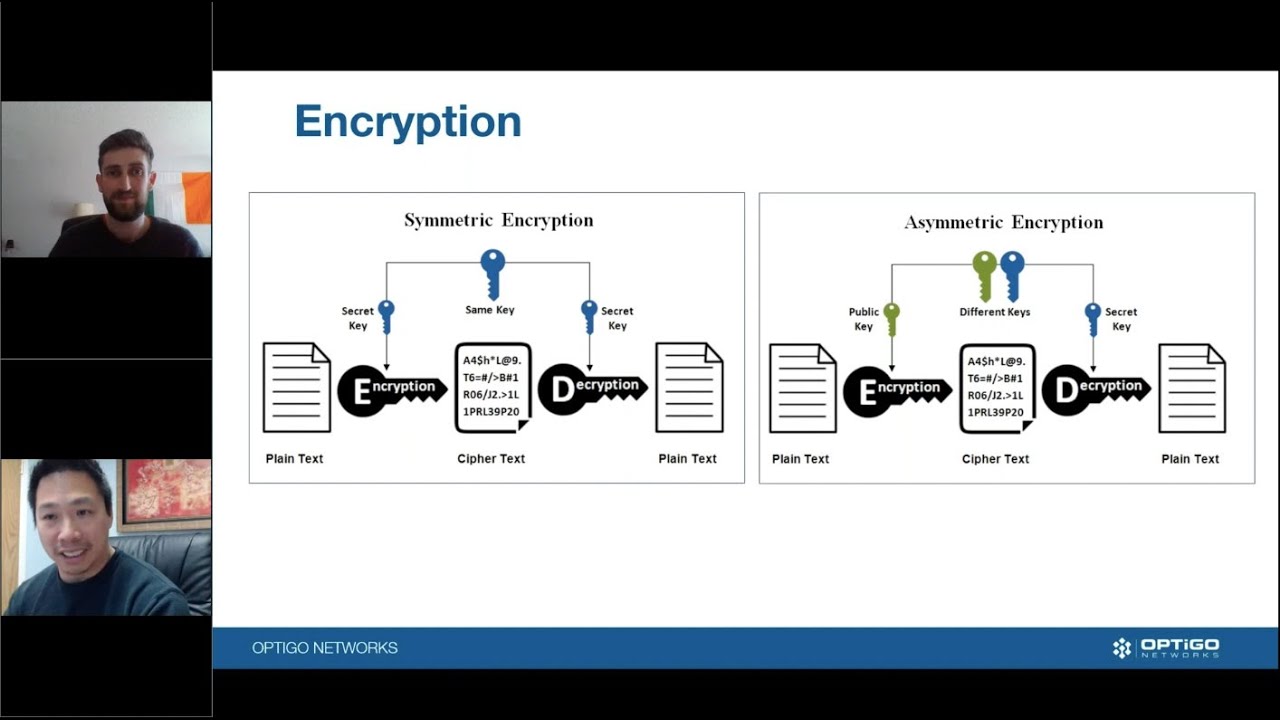
There are many protocols that make up the application layer of an IP network. Learn about some protocols you may have heard about, the roles they play on the application layer, and the importance of encryption.

Understand the Transmission Control Protocol (TCP) and User Datagram Protocol (UDP), and how they facilitate the sending and receiving of messages over IP networks.

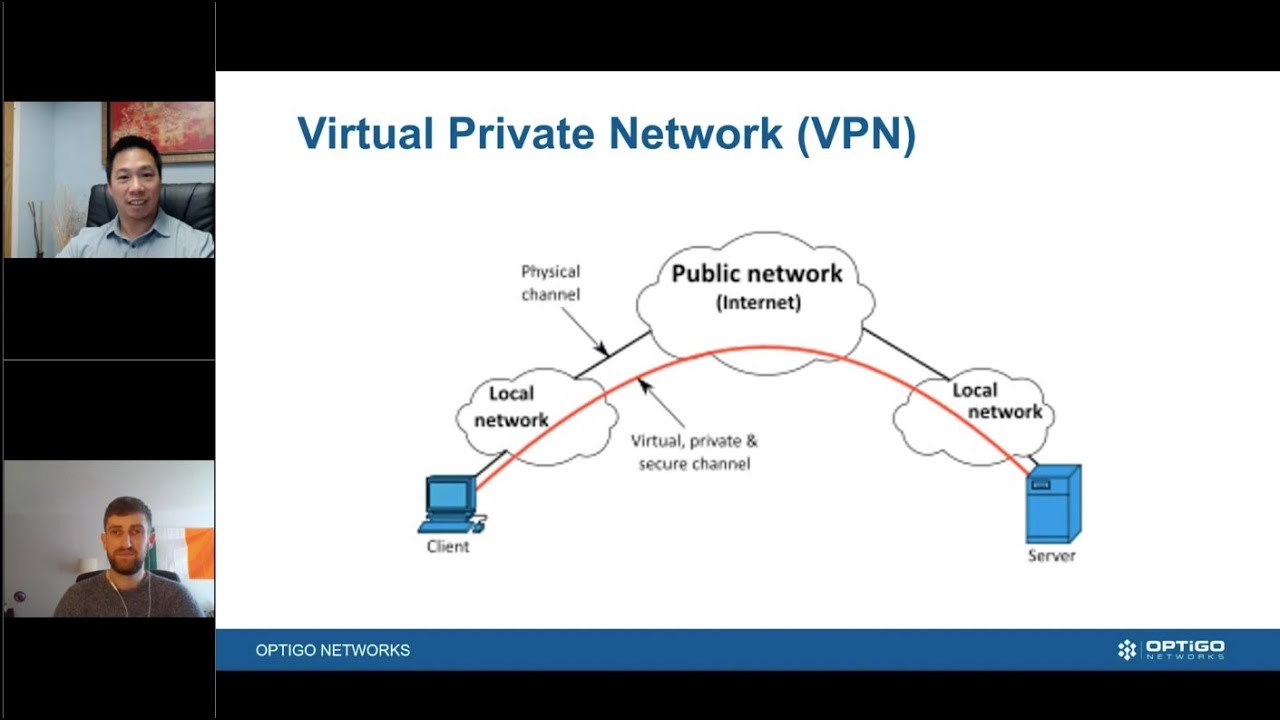
A Virtual Private Network could be described as a “secure, encrypted tunnel,” and it’s a big topic these days as more folks work from home. Find out what a VPN is, and how it works.

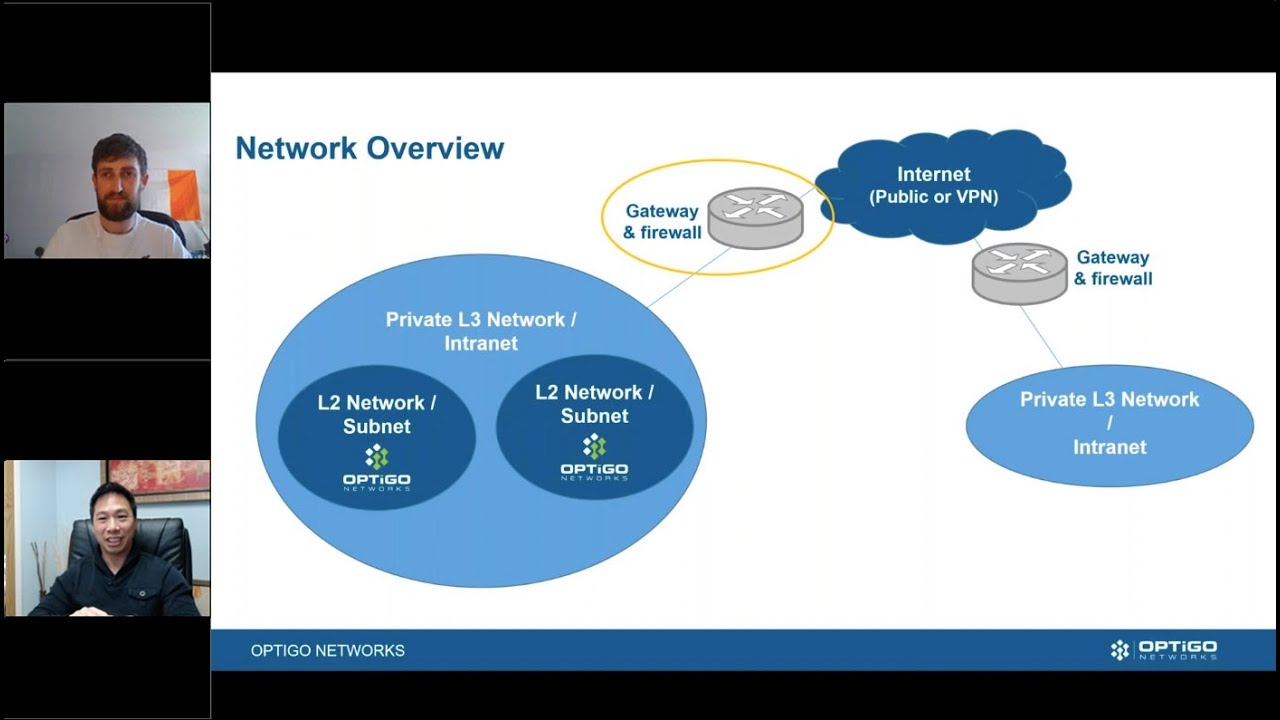
Gateways and firewalls are how we route packets through the network, and permit and block traffic based on certain rules. Learn how gateways and firewalls work to manage traffic connections in the network. 

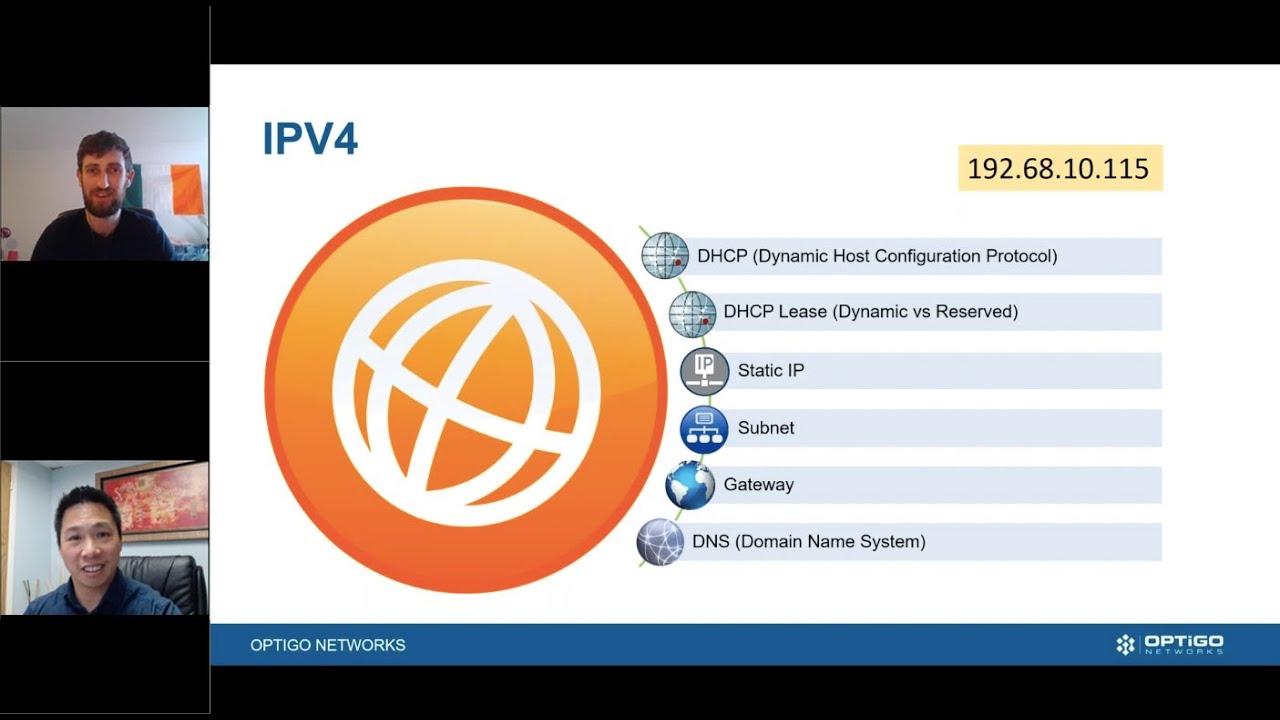
What is an IP address? How does Dynamic Host Configuration Protocol (DHCP) work? And what’s the purpose of a static IP address? We’ll cover all of this as we venture into the world of the Internet.

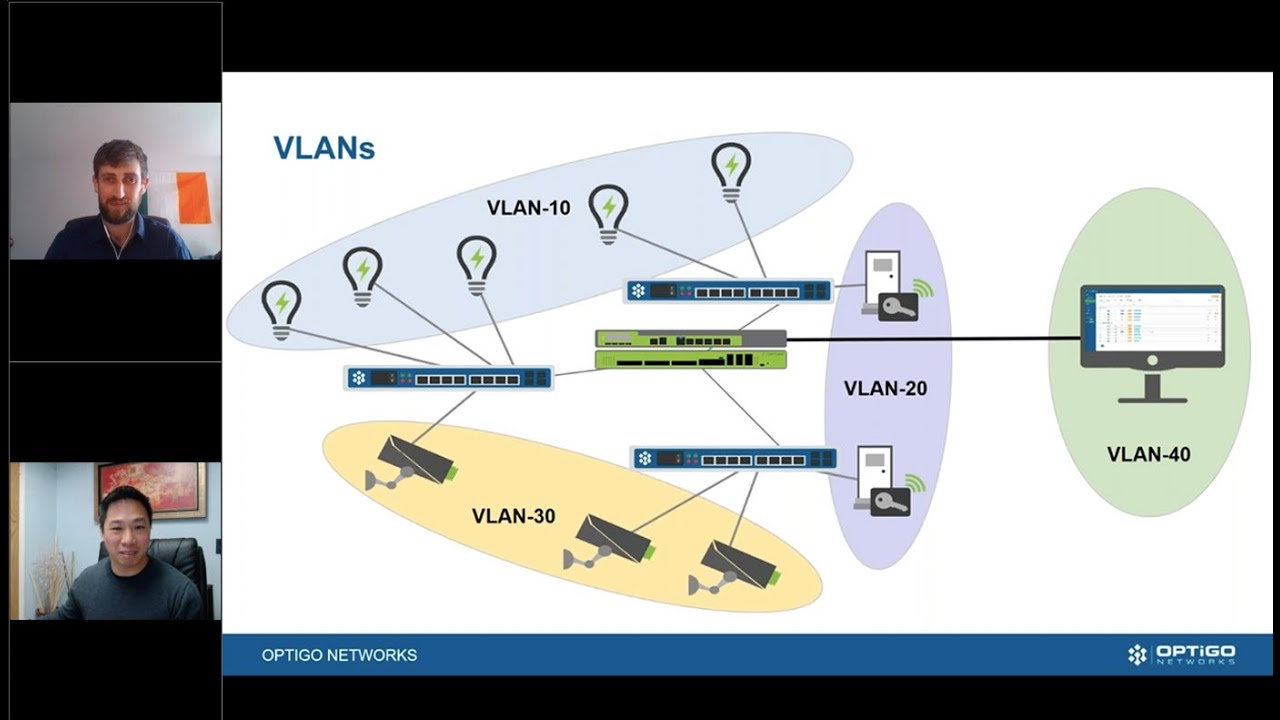
Learn the differences between Virtual Local Access Networks (VLANs) and subnets, and their roles within a network.

Learn about different modes of network access, including Ethernet, Wi-Fi, hotspots, and clients. We’ll explore the pros and cons of each, and their different applications and uses.

Learn about the network layers and their roles. We’ll cover the differences between the OSI and TCP/IP Model, and how these layers form the basic network architecture.

Information Technology (IT) and Operational Technology (OT) are different in a lot of ways, from their design to their maintenance workflows and more.