Key factors for cybersecurity and privacy in the Internet of Things

Understanding the NIST 8228 report

Information Technology (IT) and Operational Technology (OT) are different in a lot of ways, from their design to their maintenance workflows and more. When IT and OT merge, these differences create all new challenges for cybersecurity. 

IT has standards for protecting device security, data security, and people’s privacy, but these standards do not make sense for many connected OT devices. In IT, for example, cybersecurity vulnerabilities are the absolute top priority. In OT, operations are the top priority, while network security is a close second. Ensuring the building is still functioning as expected is critical to maintain physical safety and security, before addressing a network vulnerability. 

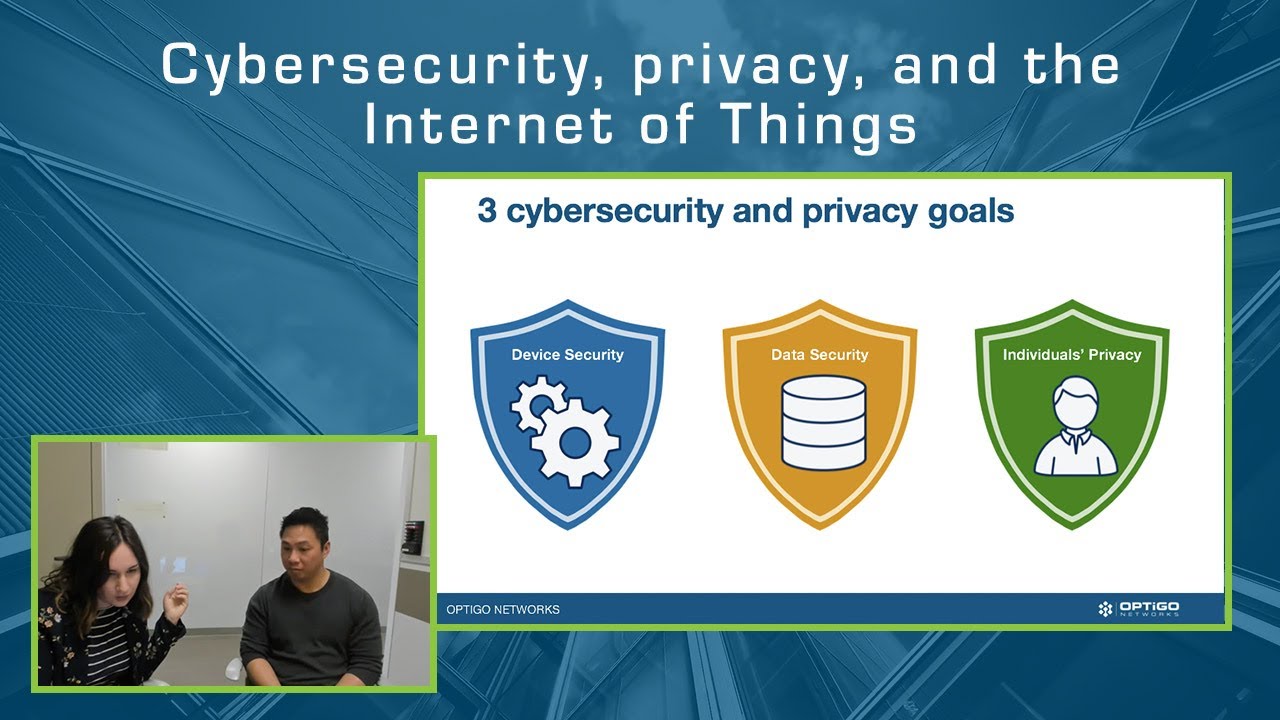
Last year, the National Institute of Standards and Technology (NIST) released the report “Considerations for Managing Internet of Things (IoT) Cybersecurity and Privacy Risks,” exploring these exact differences and cybersecurity threats. The report is an in-depth analysis of current threats and how IoT devices can or cannot meet those threats head-on. 

This is a huge opportunity to pull in your IT counterpart and collaborate on cybersecurity standards that make sense for your connected OT devices.

Join us for a one-hour webinar digging into the report, where we’ll summarize what IT and OT teams on the ground should know about their systems and security. We’ll dig into top risks identified in the report, challenges for securing the Internet of Things, and NIST’s recommendations.

Register now!

Date: February 25th, 2020
Time: 11:30 a.m. PDT / 2:30 p.m. EDT
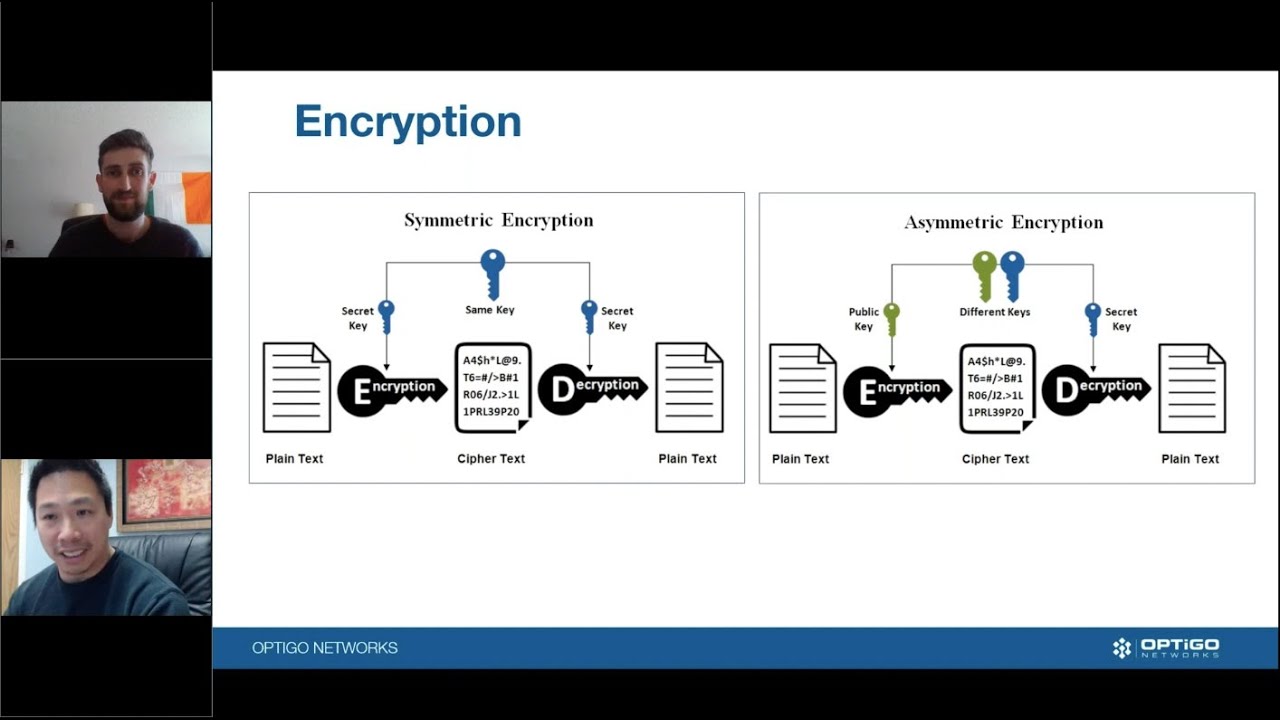
There are many protocols that make up the application layer of an IP network. Learn about some protocols you may have heard about, the roles they play on the application layer, and the importance of encryption.

Understand the Transmission Control Protocol (TCP) and User Datagram Protocol (UDP), and how they facilitate the sending and receiving of messages over IP networks.

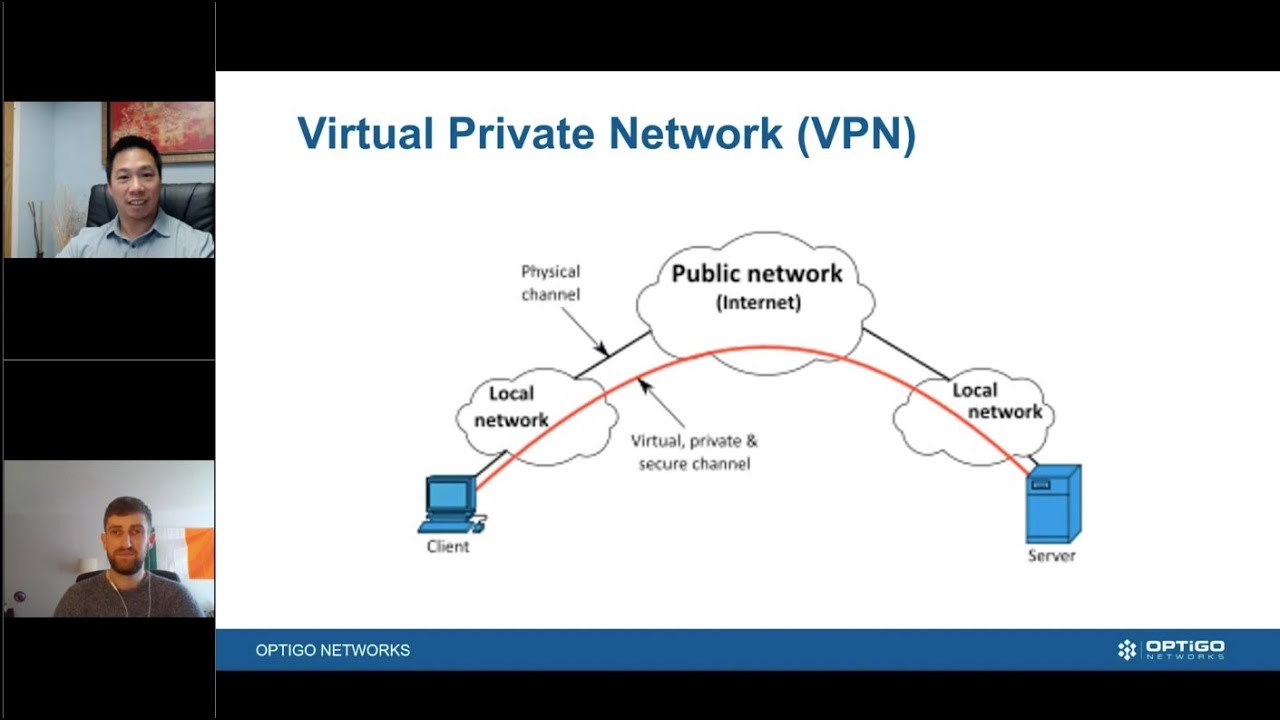
A Virtual Private Network could be described as a “secure, encrypted tunnel,” and it’s a big topic these days as more folks work from home. Find out what a VPN is, and how it works.

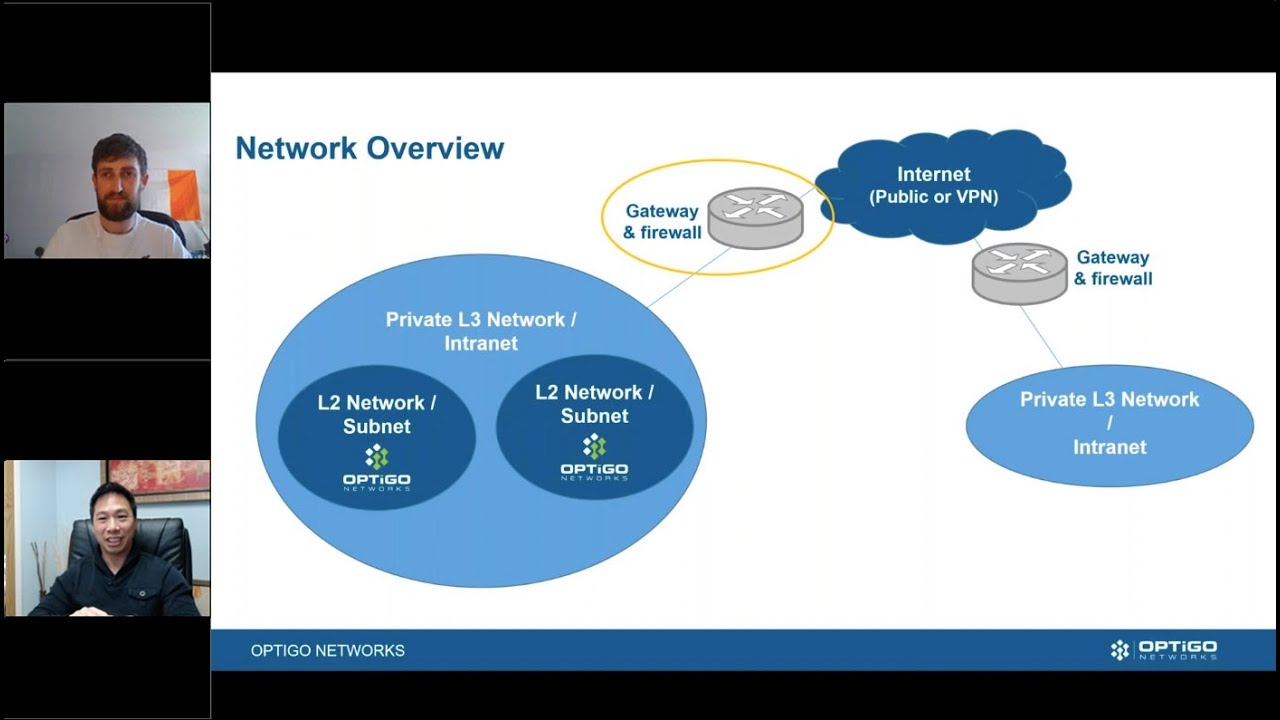
Gateways and firewalls are how we route packets through the network, and permit and block traffic based on certain rules. Learn how gateways and firewalls work to manage traffic connections in the network. 

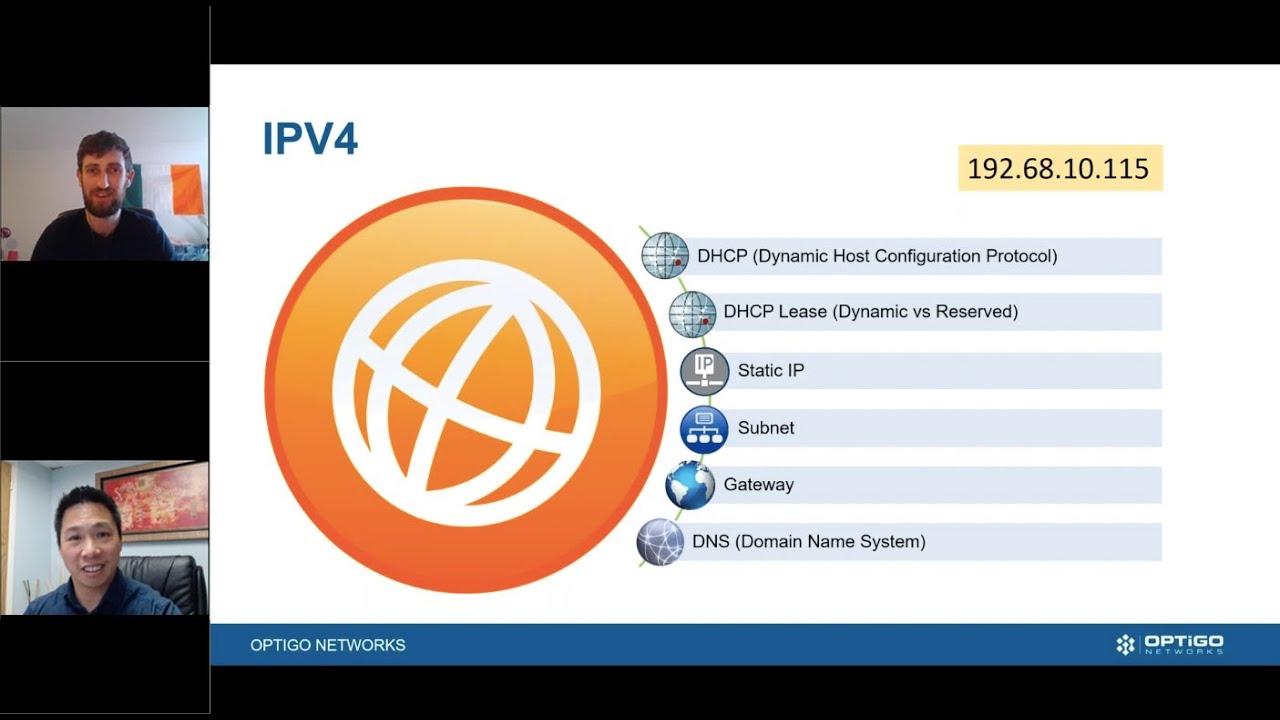
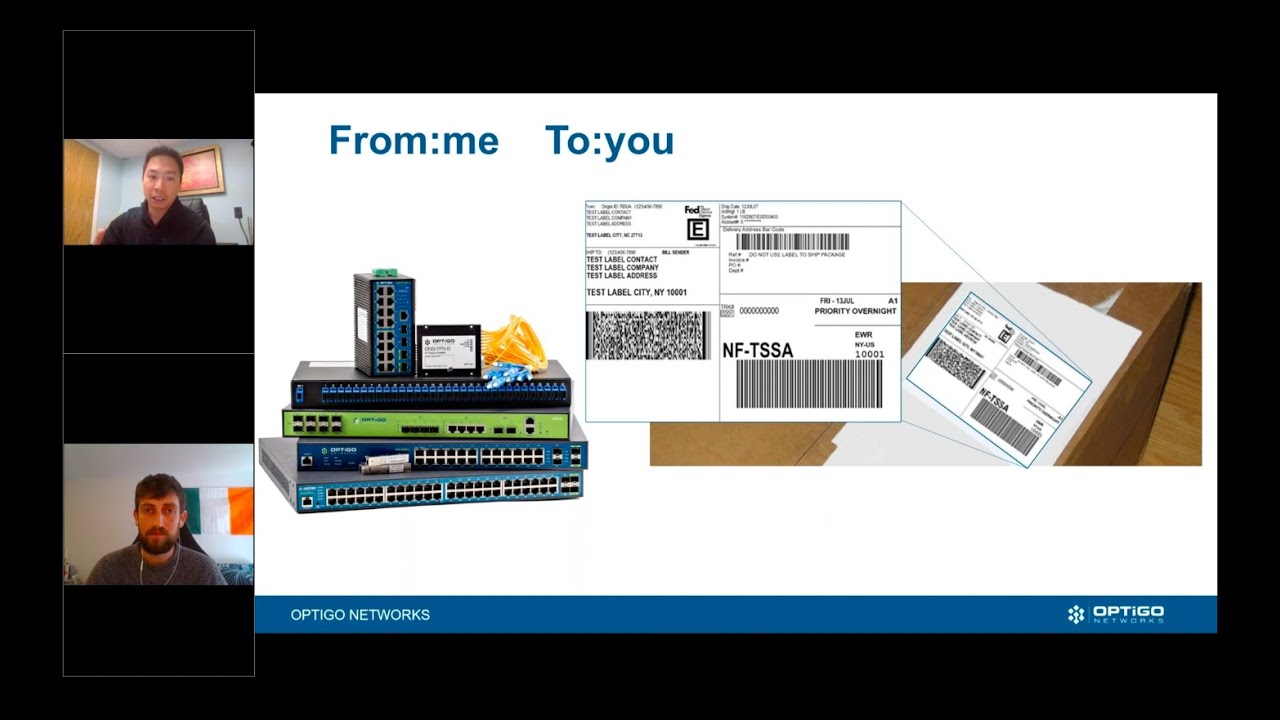
What is an IP address? How does Dynamic Host Configuration Protocol (DHCP) work? And what’s the purpose of a static IP address? We’ll cover all of this as we venture into the world of the Internet.

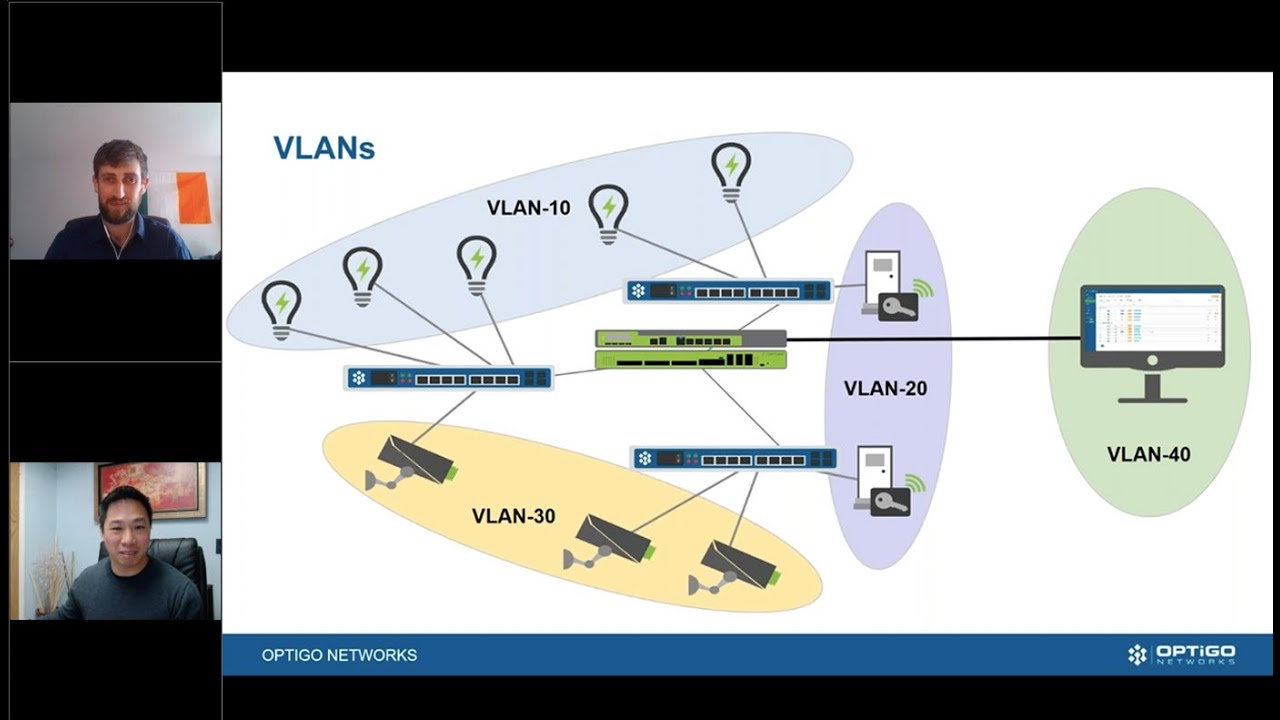
Learn the differences between Virtual Local Access Networks (VLANs) and subnets, and their roles within a network.

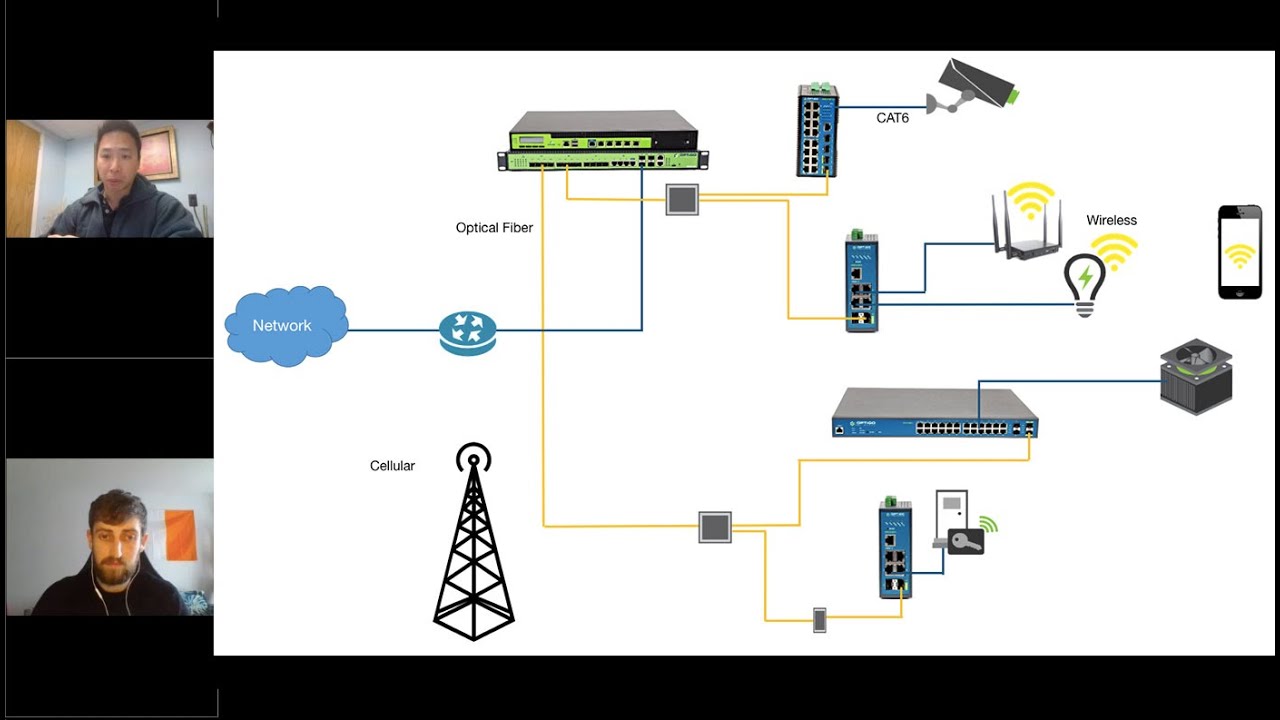
Learn about different modes of network access, including Ethernet, Wi-Fi, hotspots, and clients. We’ll explore the pros and cons of each, and their different applications and uses.

Learn about the network layers and their roles. We’ll cover the differences between the OSI and TCP/IP Model, and how these layers form the basic network architecture.

Information Technology (IT) and Operational Technology (OT) are different in a lot of ways, from their design to their maintenance workflows and more.